Independent daily, not affiliated with ISO New EnglandFree to readers

Clean Energy Maine
No. 1 · Top Story

The island that priced its own power

Isle au Haut pays roughly 32 cents a kilowatt-hour, carried seven miles under the Gulf of Maine on a cable laid in the early 1980s. The replacement cable is in. Now the island's co-op wants to know what a solar-and-battery grid of its own would cost. Its math is Maine's math, written small.

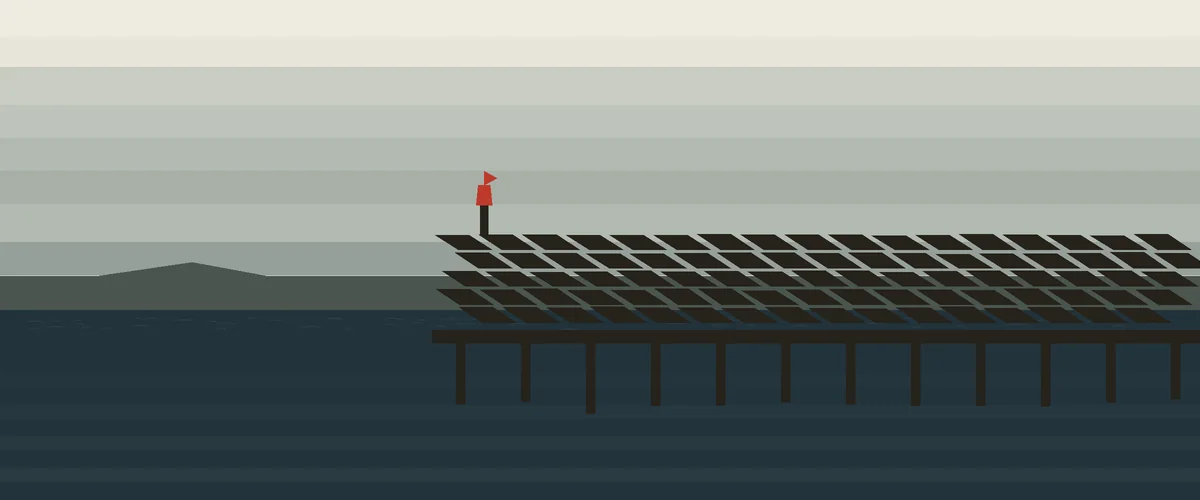
Solar rows along a working dock under a layered nor'easter sky, with a red channel marker on the nearest piling
Solar rows on a working pier: along the Maine coast, power now comes off the same structures that land the catch. The design question is no longer whether the coast generates, but who keeps the lights on when a February nor'easter takes a line out.

By the Clean Energy Maine editors · Filed September 27, 2026 · 8 min read

No. 2 · Today

Today's tally

1,200 MW The Québec line, in service

The New England Clean Energy Connect HVDC line from Hydro-Québec to Lewiston entered service in January 2026, feeding the ISO New England grid.

~120 MW Gulf of Maine research array

The state's floating offshore wind research array, on the order of 120 megawatts across leased sites in federal waters. Power contract talks were put on hold in spring 2025.

~32¢ Average residential rate

Maine's average residential price per kilowatt-hour sat near 32 cents in mid-2026, per the U.S. Energy Information Administration, up from roughly 28 cents a year earlier.

What it means for your bill: a household running about 550 kilowatt-hours a month, close to the state average, is paying on the order of $175 a month at that average rate, delivery included. Every project below lands, eventually, on that line.

No. 3 · Stories

Stories we are following

Offshore wind

Offshore wind talks pause in the Gulf of Maine, and the 2040 clock keeps running

Maine law sets a goal of 3 gigawatts of offshore wind in the Gulf of Maine by 2040. Negotiations over a power contract for the state research array have been on hold since spring 2025. The wind did not pause.

By the Clean Energy Maine editors

A working grid of moored buoys, one in seven painted red, on deep coastal water
Working moorings off the Maine coast: the same federal waters that hold the lobster fleet's buoys are slated to hold floating wind turbines, and the two trades are learning to share charts.
Efficiency

Heat pump rebates carry on as the federal tax credit ends

The federal 25C tax credit for heat pumps expired on December 31, 2025. Efficiency Maine's rebates continue, with a $500 bonus for qualifying whole-home upgrades in 2026, and a five-state New England Heat Pump Accelerator launched in late 2025 to keep installers busy.

By the Clean Energy Maine editors

Coastal working

The dockside array: a working pier's quiet second job

From Portland's fish pier north to Penobscot Bay, canopies of panels are going up over working waterfronts. They make power from a roof that was already there, and they are built to shrug off a nor'easter. What they have not solved is the bill line where the credit shows up.

By the Clean Energy Maine editors

No. 4 · Where Things Stand

Where things stand

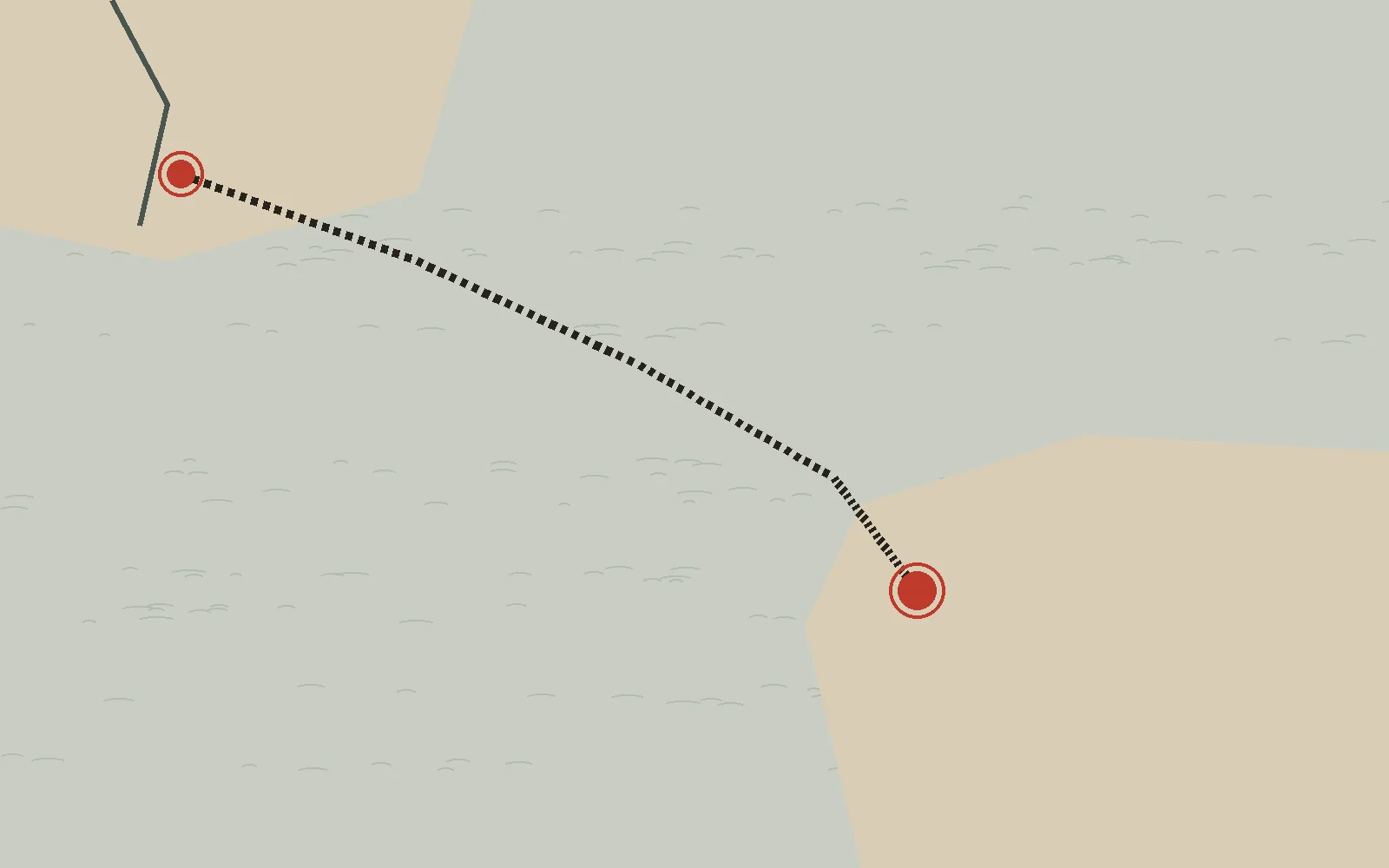
A flat map figure showing a cable route from the northern landmass to a red terminal on the Maine coast
The new line in one glance: high-voltage direct current from Québec runs roughly 145 miles to a converter station at Lewiston, where it joins the New England grid. Massachusetts contracted for 9.55 terawatt-hours a year, about a fifth of that state's annual demand.

1. The Québec line is in

After referendums, court fights, and a construction pause, the New England Clean Energy Connect entered service in January 2026. Early operating reports show it displacing gas generation in New England, which matters most in winter, when the region's gas pipeline constraint binds.

2. Winter evenings set the price

Maine's peak demand arrives after dark on cold evenings. Solar helps midday; the expensive hours start around 6 p.m. That shape is why batteries, heat pumps, and the new Canadian hydro line are judged on what they deliver in January, not July.

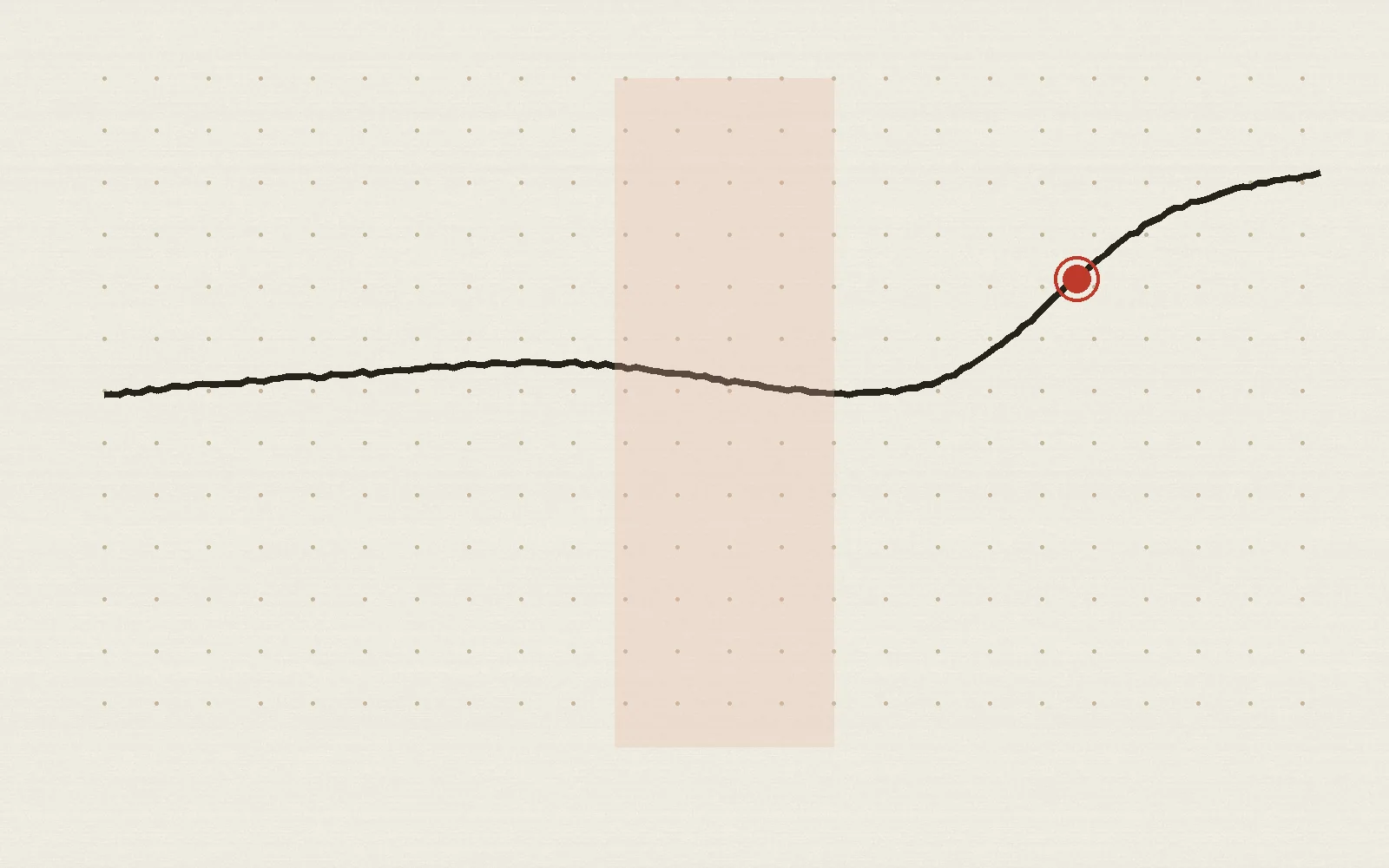
A single winter day's electricity load drawn as a rising curve, with the evening peak marked in red
One winter day on the ISO New England grid: demand sags at midday, then climbs to its evening peak. The pale band marks the daylight hours; the red dot is the hour the grid is built to survive.
No. 5 · How We Work

How we work

1.

Numbers get hedged

Schedules slip and estimates move. When a figure could change or a reader could not check it in a public document, we say roughly, on the order of, or at last public report. Point precision is a tell.

2.

Sources are primary

We cite grid operators, government agencies, utilities, and project companies. Every reported feature ends with a sources-of-record list so you can check the work. News outlets and blogs are not sources of record here.

3.

Bylines are honest

Every piece is bylined By the Clean Energy Maine editors. We do not invent named officials, and we do not hide behind personas. If we do not know something, the story says so.

4.

Local first

We name the island, the pier, the program, and the bill line. A story you cannot point to on a chart or a statement is a story we have not finished reporting.